
Fine motor development is a key early learning skill for preschoolers. Before children learn to write letters, draw shapes, or hold a pencil correctly, they must build the little muscles in their hands and fingers. These free fine motor skills worksheets help youngsters improve pencil control, hand-eye coordination, finger strength, and concentration with enjoyable printable activities.
Whether you are a parent teaching at home, a preschool instructor producing classroom resources, or a homeschooling educator, these downloadable worksheets are for children aged 3-5 years. Each task is straightforward, entertaining, and ideal for everyday practice.
What Are Fine Motor Skills?
Fine motor skills are the small movements made using the hands, fingers, wrists, and eyes together. These skills allow children to perform everyday tasks such as:
- Holding a pencil correctly
- Coloring inside shapes
- Cutting with scissors
- Buttoning clothes
- Tying shoelaces
- Building with blocks
- Turning book pages
When youngsters engage in frequent fine motor activities, they strengthen their hand muscles, preparing them for handwriting and independent daily life abilities.
Why Are Fine Motor Skills Important for Preschoolers?
Many parents prioritize learning the ABCs and numbers, but fine motor development is just as crucial. It establishes the physical basis necessary for writing, drawing, and classroom learning.
Better handwriting readiness
Improved scissor skills
Stronger finger control helps children write more comfortably.
Cutting activities strengthen coordination and hand stability.
Stronger hand-eye coordination
Greater focus & confidence
Tracing and matching improve visual tracking and precision.
Short printable tasks encourage concentration without overwhelming kids.
Practicing for just 10–15 minutes daily can make a noticeable difference over time.
What’s Included in These Free Fine Motor Skills Worksheets?
This printable collection includes activities that gradually increase in difficulty. Children can begin with simple lines before moving to shapes, mazes, and cutting practice.
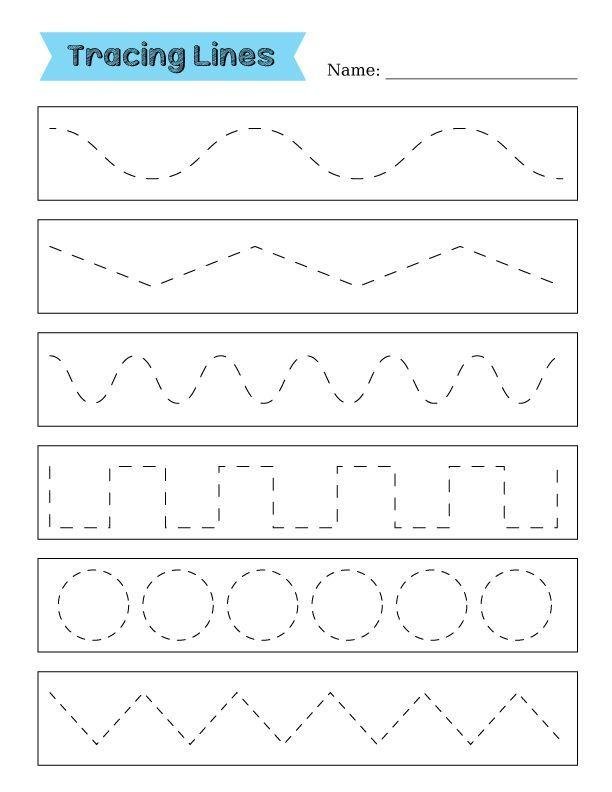
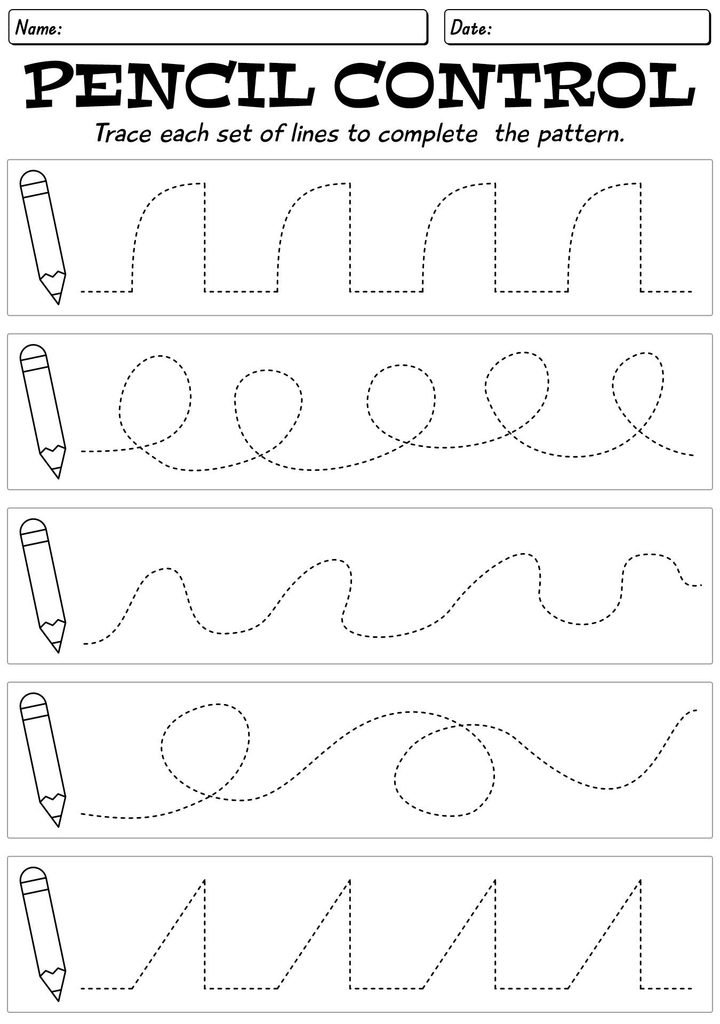
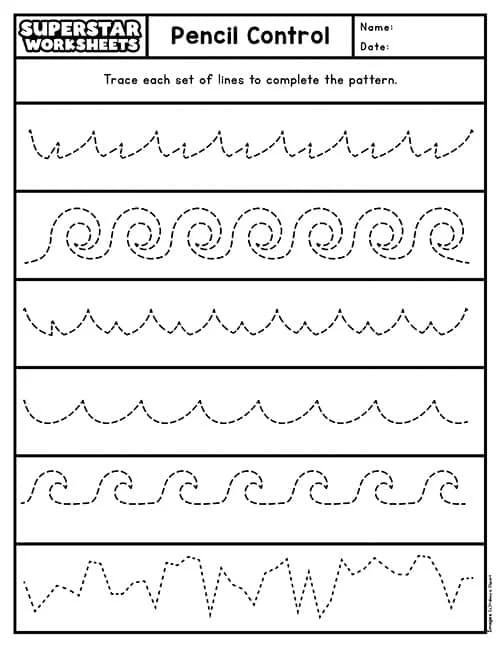
1. Line Tracing Worksheets
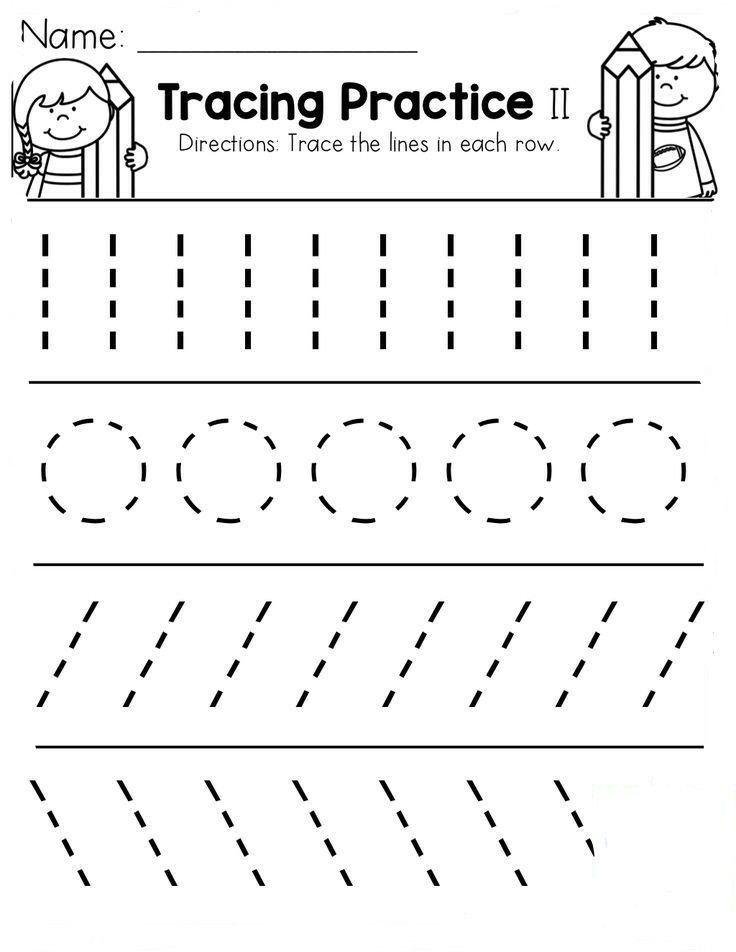
The first step in handwriting is learning basic strokes. Children trace:
- Horizontal lines
- Vertical lines
- Diagonal lines
- Long and short paths
These exercises teach steady pencil movement while improving wrist control.
2. Shape Tracing Activities
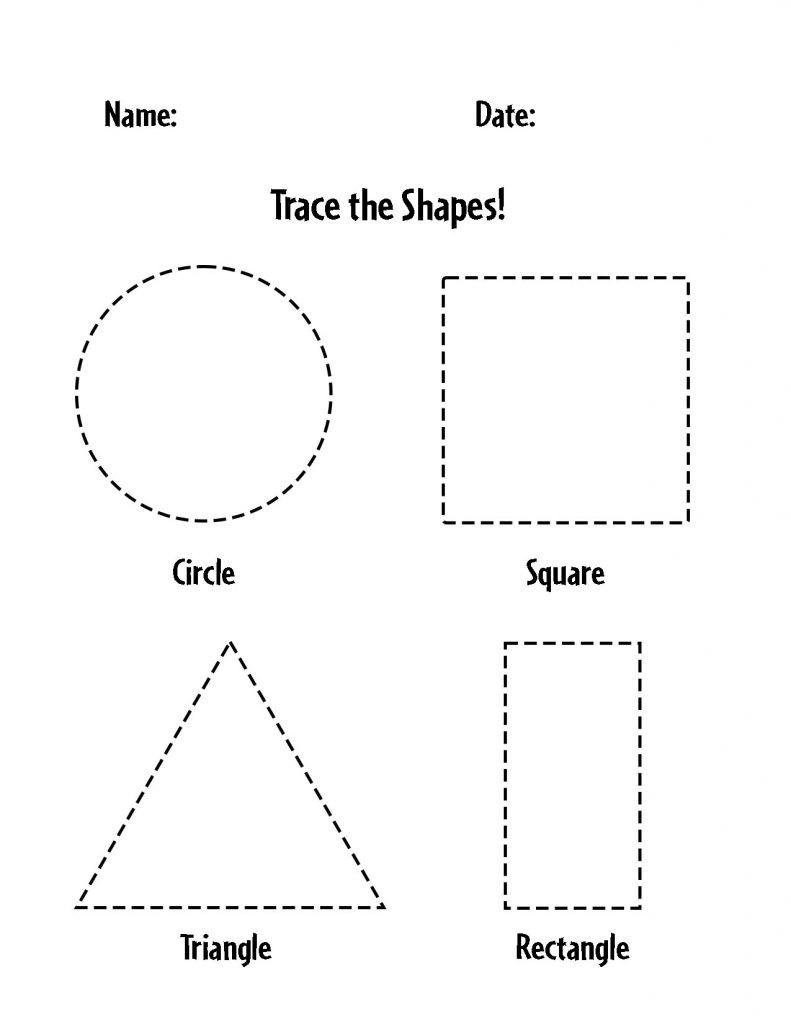
Shapes introduce curved and angled movements that are essential before writing letters.
Kids practice tracing:
- Circle
- Square
- Triangle
- Rectangle
- Star
- Heart
Shape tracing also improves visual recognition alongside motor development.
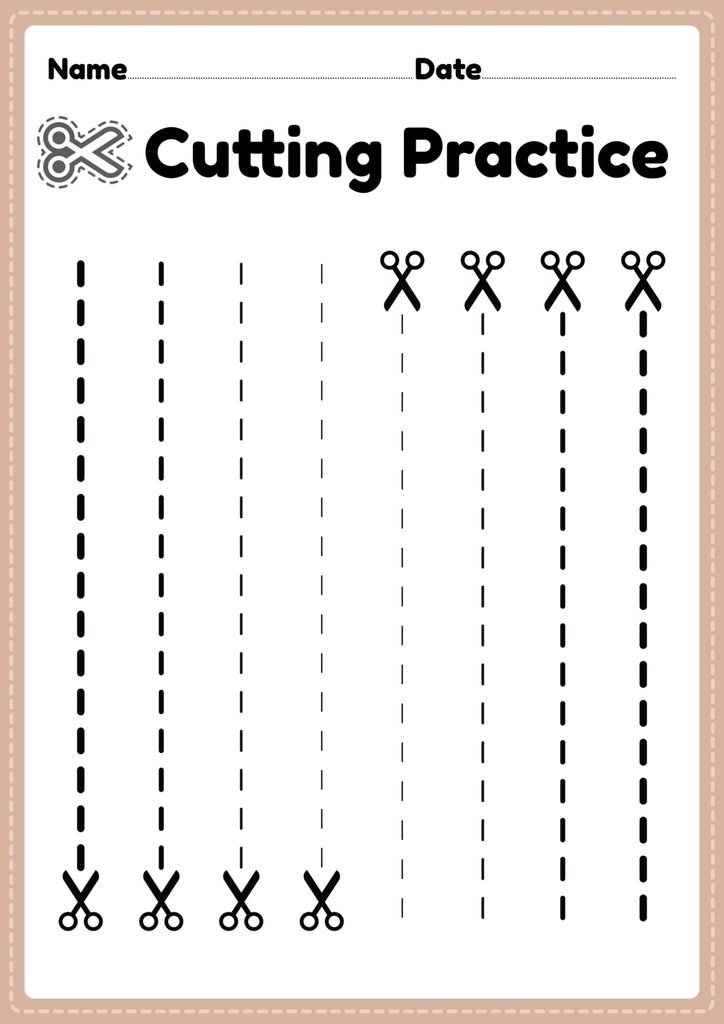
3. Scissor Cutting Practice
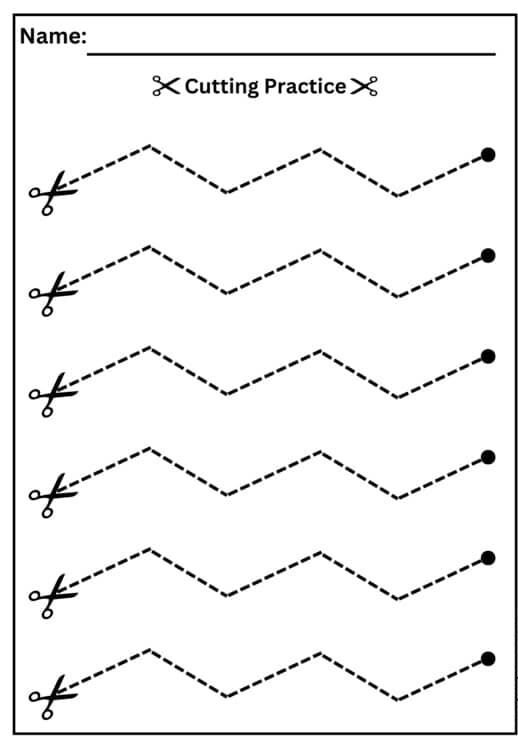
Cutting is one of the best activities for strengthening finger muscles.
Start with:
- Straight cutting lines
- Curved paths
- Zigzag lines
- Simple shapes
Always use child-safe safety scissors and supervise young children during cutting activities.
Skills Your Child Will Develop
| Fine Motor Skill | Worksheet Activity |
|---|---|
| Pencil Grip | Line tracing |
| Finger Strength | Cutting practice |
| Hand Stability | Shape tracing |
| Visual Tracking | Mazes |
| Bilateral Coordination | Cut & paste |
| Wrist Control | Curved tracing |
| Precision | Coloring inside shapes |
| Concentration | Connect the dots |
These worksheets combine multiple developmental skills in one printable resource.
Age Guide (3–5 Years)
- 3 Years Old
Begin with thick tracing lines, large circles, and simple coloring activities. Keep practice sessions under 10 minutes.
- 4 Years Old
Introduce zigzag lines, rectangles, easy mazes, and beginner cutting worksheets.
- 5 Years Old
Practice detailed tracing, connect-the-dots, shape patterns, and more accurate scissor cutting.
Every child develops differently, so encourage progress rather than perfection.
How to Use These Printable Worksheets Effectively
Parents often ask how many worksheets children should complete each day. The answer is simple: quality matters more than quantity.
Daily 15-Minute Fine Motor Routine
| Time | Activity |
|---|---|
| 5 min | Line tracing |
| 4 min | Shape tracing |
| 3 min | Coloring |
| 3 min | Cutting or maze |
Keeping activities short helps children stay engaged without becoming frustrated.
Helpful Tips
Use thick preschool pencils or triangular crayons.
Encourage a relaxed pencil grip.
Praise effort instead of neatness.
Let children color freely after tracing.
Print worksheets on A4 paper for the best results.
Printable Activities Beyond Tracing
Fine motor development isn’t limited to pencils. Try combining worksheets with hands-on play.
Finger Strength Ideas
- Play dough rolling
- Clothespin squeezing
- Bead threading
- Sticker peeling
- Pom-pom sorting
- Paper tearing & gluing
These activities strengthen the same muscles used for writing.
Common Mistakes Parents Should Avoid
Even great worksheets won’t help if children become overwhelmed.
Avoid These Habits
- Making children finish too many pages at once
- Correcting every small mistake
- Using tiny pencils that are difficult to grip
- Comparing siblings’ progress
- Skipping fun activities like coloring and cutting
Learning should always feel enjoyable.
Frequently Asked Questions
Are these free fine motor skills worksheets suitable for preschool?
Yes. They are ideal for children aged 3–5 years and work well in preschool, kindergarten, homeschool, and daycare settings.
Can I print these worksheets at home?
Absolutely. Print on standard A4 paper using black-and-white mode for the most printer-friendly results.
How often should my child practice?
Around 10–15 minutes daily is usually enough for consistent improvement.
Do these worksheets help with handwriting?
Yes. Fine motor practice develops pencil grip, wrist stability, and finger strength, which are important foundations for handwriting.
Final Thoughts
Building strong fine motor skills doesn’t require expensive learning materials. With consistent daily practice, children gradually improve their pencil control, hand coordination, concentration, and confidence. These Free Fine Motor Skills Worksheets provide a fun and effective way to prepare preschoolers for writing while keeping learning playful and engaging.
Print a few pages, grab some crayons, and let your child enjoy learning through creative hands-on activities.
One Response